
From Classroom Lessons to Public Education
I'd Like to Apologize to Every Teacher I Ever HadThe final reflections expand the year’s classroom experiences into an argument for national support of teachers and public schools.
increasing Bearing strength in each event
 decreasing
Bearing strength in each eventdecreasingA Neighborhood Remembered
A Neighborhood Remembered
A view from Philadelphia
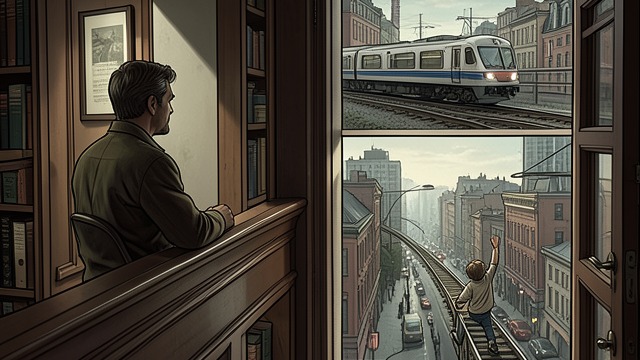
Danza watches the elevated train from his apartment and remembers waving at trains as a child in Brooklyn. The memory makes the students’ city life feel connected to his own past.
Distance and recognition
He begins the year believing he knows what it means to come from a tough neighborhood. Students’ experiences will later show him where that identification is incomplete.
Lives Unlike His Own
Lives Unlike His Own
A different danger
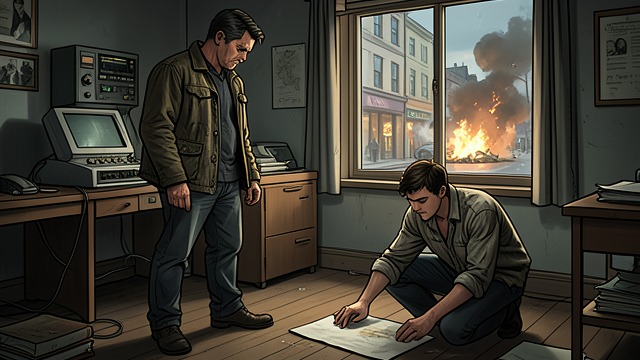
Al G’s account of gunfire contrasts with Danza’s memory of helping an uncle lay linoleum. Both grew up in difficult neighborhoods, but the risks were not the same.
Identification revised
Danza must stop assuming that shared background means shared experience. Listening to students expands his understanding beyond nostalgia.
A School Beyond the Camera
A School Beyond the Camera
Daily life continues
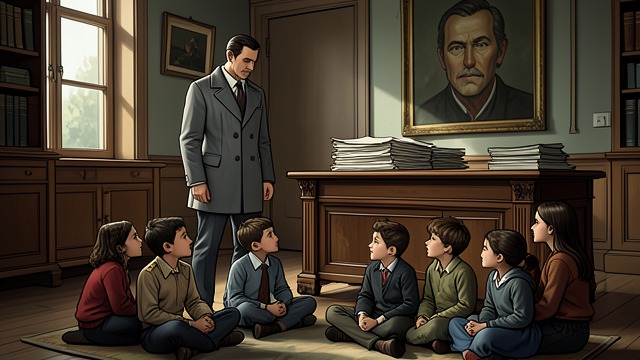
The cameras leave, but students still need instruction, discipline, and support. Danza chooses to remain, discovering that the real work does not depend on producing a television episode.
A wider account
Without production pressure, he becomes more attentive to the school’s ordinary pressures. The classroom itself becomes the evidence for what teachers face.
Teachers Need More Than Praise
Teachers Need More Than Praise
A colleague describes the load
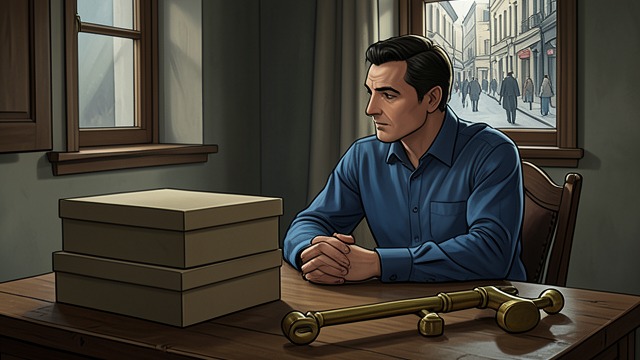
A teacher explains that supporting a large number of students with serious needs leaves little time for individual attention. Danza recognizes that appreciation does not create more hours or resources.
A policy question follows
He imagines fewer classes per teacher and acknowledges the expense. The solution requires public investment rather than admiration alone.
A Call to Participate
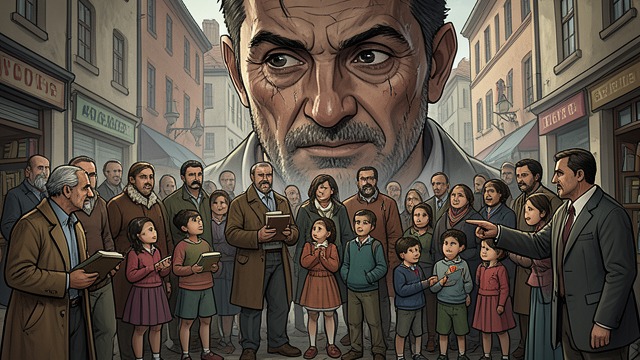
A Call to Participate
More than a profession
Danza says that a person need not become a full-time teacher to contribute to education. Reading to children, volunteering, mentoring, and supporting educational programs are all meaningful actions.
The public stake
He concludes that every citizen depends on educated young people. The book ends by asking readers to support educators rather than blame them for conditions they cannot solve alone.
The morning of Danza’s second school day
September, after Al G submits his park story
After filming ends in January
Spring, during the gym conversation
The epilogue
